

Understanding Social Dancing: A Guide to Connection and Human Interaction

Updated: Jun 16

About this guide
This page collects articles about the social and human dimensions of partner dancing, including connection, reciprocity, trust, boundaries, communication, and community. Use the sections below to explore how social dancing shapes relationships, interactions, and shared experiences both on and off the dance floor.
Social dancing is often introduced as a dance activity, but many of the experiences people remember most have little to do with steps or technique.
People talk about connection, chemistry, trust, friendship, community, vulnerability, reciprocity, and the feeling of sharing meaningful experiences with others through music and movement.
This guide brings together articles that explore the social and human dimensions of dancing.
Connection and Human Interaction
Why do some dances feel memorable while others are quickly forgotten?
What creates a sense of connection between two people who may have only met a few minutes earlier?

These articles explore some of the social dynamics that emerge through partner dancing.
Explore:
Can social dancing reveal deeper patterns about how we relate to uncertainty, trust, connection, autonomy, and human interaction? A reflection on the surprising parallels between dance and everyday relationships.
Why do experiences that would feel unusual or inappropriate in everyday life become natural on the dance floor? An exploration of the unique social space created by partner dancing and the opportunities - and responsibilities - that come with it.
What does it mean when a dance feels unusually meaningful, intimate, or unforgettable? A reflection on the complex boundary between connection that exists within the dance and connection that continues beyond it.
Discover why social dancing appeals to people seeking more than exercise or entertainment, combining music, community, creativity, learning, and human connection.
Attraction, Chemistry, and Reciprocity
Attraction is one of the most discussed and misunderstood topics in social dancing. While many people arrive for reasons unrelated to romance, social dance communities have always been places where friendships, relationships, and meaningful connections emerge.
These articles examine attraction, reciprocity, chemistry, and the role they play within dance communities.
Explore:
A reflection on romance, community, human connection, and the uneasy place attraction occupies in dance culture.
What makes some dances feel effortless, memorable, and deeply connected while others quickly fade from memory? Explores attraction, chemistry, comfort, and the qualities that shape meaningful social dance experiences.
Why does reciprocity matter more than rigid rules about intimacy, closeness, or expression? Examines how social dancing depends on mutual participation, responsiveness, and the ability to perceive how invitations are received.
What makes someone socially magnetic on the dance floor beyond dance technique alone? Explores the role of presence, confidence, personal presentation, friendliness, enthusiasm, and social awareness in creating attraction.
An exploration of one of the most intriguing tensions in partner dancing: how closeness, connection, and intimacy can mean very different things to different people, even when they share the exact same dance.
Trust, Boundaries, and Community
Social dancing depends on a balance between openness and respect. Trust allows people to relax into the experience, while boundaries help create environments where everyone can feel comfortable participating.
Explore:
Why can dancing with a stranger feel intimate so quickly? Explores the implicit trust behind partner dancing, how intimacy emerges through movement, and why reciprocity, boundaries, and community responsibility are essential.
A practical guide to respectful social dancing, covering hygiene, attitude, partner awareness, safety, space, inclusivity, personal boundaries, invitations, and shared responsibility on the dance floor.
Explores the common habits that make people avoid certain dances, including poor hygiene, dancing off beat, excessive intimacy, forcing movements, lack of awareness, negative attitude, and discomfort in the interaction.
Becoming a Better Social Dancer
The qualities that make someone enjoyable to dance with are often different from the qualities people expect.
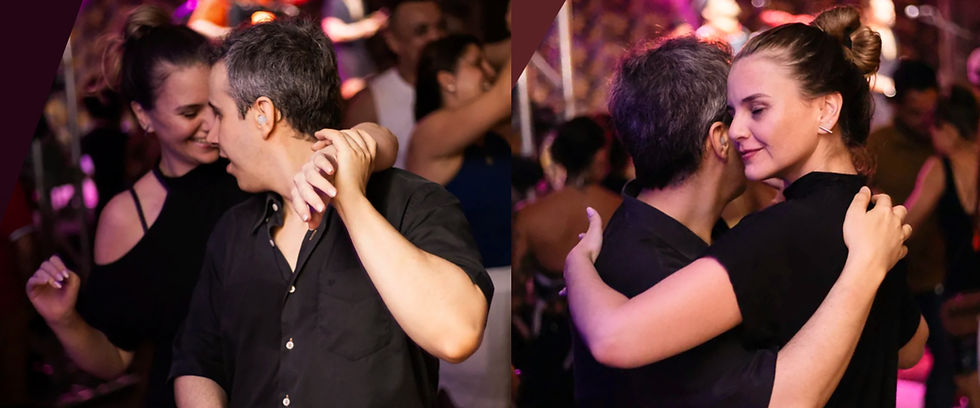
These articles explore adaptability, awareness, connection, communication, and other skills that shape social dancing beyond technique alone.
Explore:
What are the fundamental skills every social dancer should develop? A practical framework built around musicality, connection, movement quality, repertoire, and adaptability.
Why do some dancers leave such a strong impression even without the most advanced technique? Explores the human, musical, and relational qualities that make certain dancers stand out.
Why do some dancers feel easy and enjoyable to dance with? Explores how adaptability, responsiveness, and co-creation shape the social dance experience.
Social dancing is ultimately a human activity. The articles collected here explore the relationships, interactions, and social experiences that emerge when people gather around music, movement, and shared participation.
ABOUT THE AUTHOR
Rafael Piccolotto de Lima is the Founder and Educational Director of Forró New York, as well as a Latin Grammy-nominated composer, arranger, and music director.


Comments