

Why So Many Adults Discover Social Dancing in Their 30s and 40s

Updated: 1 day ago
One of the things that has surprised me most after years of teaching social dancing is how many people begin later in life. Not at eighteen or twenty, but in their thirties, forties, fifties, and beyond.
Many arrive having never danced before. Some are nervous, some are skeptical, and many are convinced they are “not dancers.”
Yet they keep showing up.
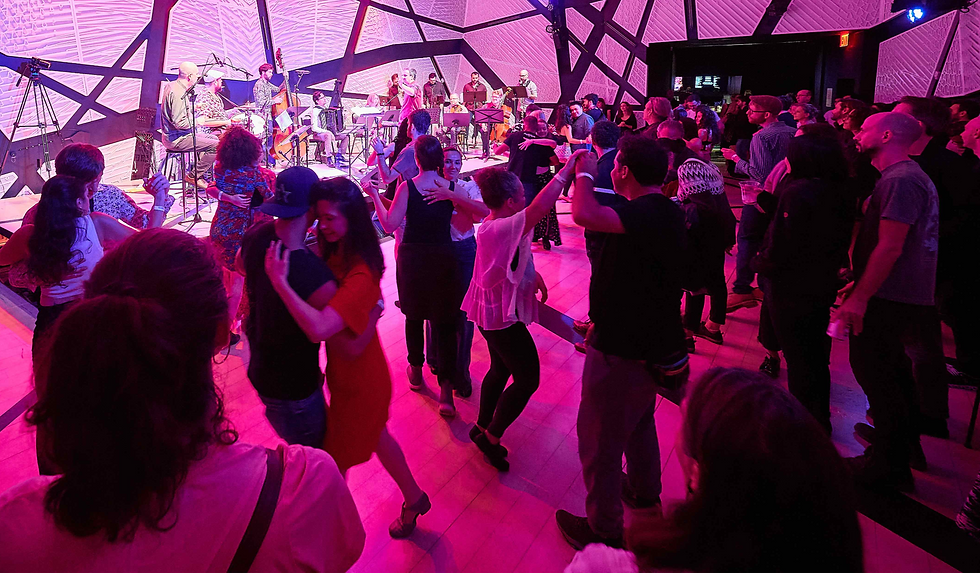
Life Looks Different After 30
By the time many people reach their thirties and forties, life often looks very different than it did a decade earlier.
Careers become more demanding. Friends move away. Relationships begin and end. People relocate to new cities. Work occupies more time. Social opportunities become less spontaneous.
In university, social life often happens automatically. People meet through classes, student organizations, shared apartments, and mutual friends.
Later in life, building new friendships or finding new communities often requires much more intention.
Many adults eventually find themselves searching for something they struggle to define clearly. They may feel busy but disconnected, social but not necessarily connected, surrounded by people at work yet missing a sense of community.
Why People Start
When people start searching for a new activity, they rarely begin by saying:
“I want to become a social dancer.”
More often, they are looking for exercise, a hobby, a way to meet people, a reason to leave the house, or a more interesting social life.


In my experience, those motivations are usually genuine. People often know quite well what they are looking for.
Over the years, I have met people arriving from very different circumstances. Some had recently moved to New York and knew almost nobody in the city. Some were rebuilding their routines after a divorce or another major life transition. Some were couples looking for something they could genuinely enjoy together. Others simply felt that work had gradually taken over too much of their lives and wanted something that felt more social, creative, and alive.
What often surprises them is not that they find something completely different from what they were seeking. It is that a single activity ends up fulfilling several of those needs at once.
A person may arrive looking for a hobby and discover a community. Someone looking for a social activity may become deeply connected to the music. A couple searching for something to do together may find an entirely new social circle.
The reasons people start are usually real. What often exceeds expectations is the role the activity eventually comes to play in their lives.
Why Social Dancing Feels Different
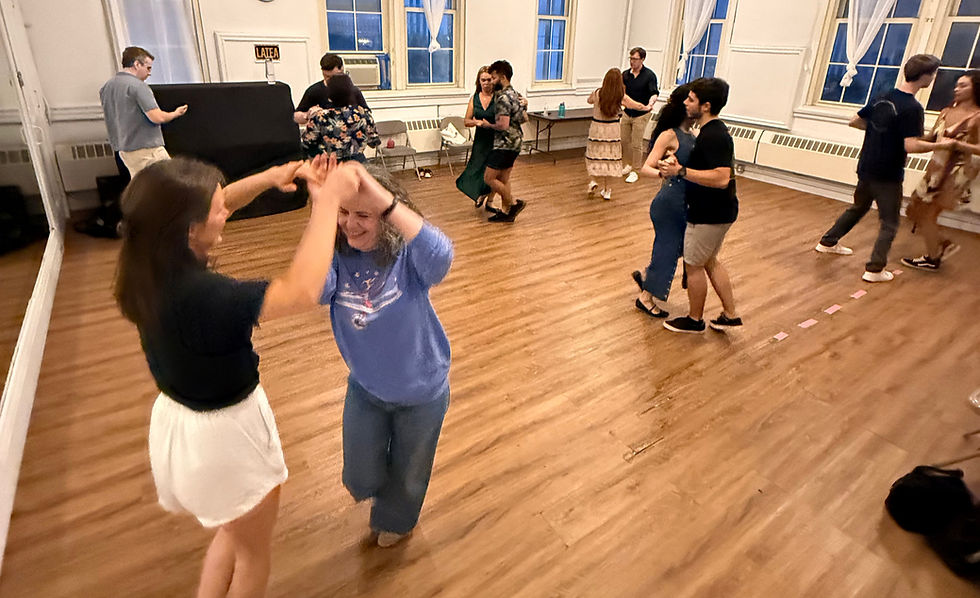
One reason social dancing seems to resonate with so many adults is that it combines experiences that are often separated elsewhere.
There is movement, but it is not primarily about fitness. There is learning, but it does not feel like school. There is social interaction, but it happens through a shared activity rather than small talk alone. There is music, creativity, community, and a reason to leave the house.
Few activities bring all of those elements together in the same place.
Over time, I have come to think that dance is not necessarily the objective for most people. It is the environment - the common language that allows many other things to happen.
What I See In My Students
The average age in our community is probably somewhere in the thirties.
We certainly have students in their twenties. We also have students in their forties, fifties, and beyond.
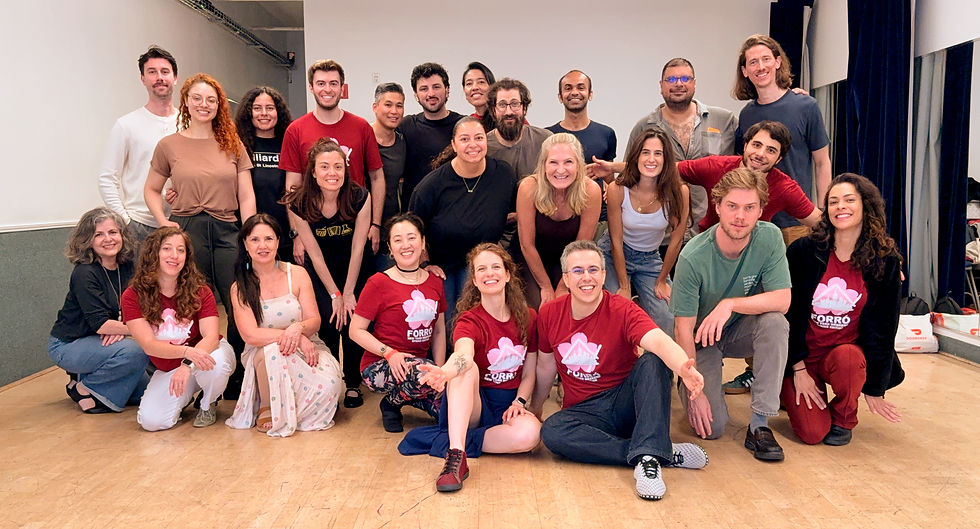
But many of the people who become deeply involved in the community are adults who have already built careers, relationships, and routines, and who are now looking for something that feels meaningful outside of work.
One pattern I have observed repeatedly is that people often arrive alone and uncertain. The first class can feel intimidating. Many have never danced before, are worried about looking awkward, or are unsure whether they belong.
What makes social dancing unusual is that the structure of the class helps lower those barriers. People rotate partners, interact with many different classmates, and begin participating in social interactions without needing to initiate everything themselves.

A few months later, the same people often look completely different. The student who spent the first class avoiding eye contact is now chatting comfortably between dances. The person who arrived knowing nobody is greeting friends as they walk through the door. Familiar faces begin appearing every week, conversations become easier, and social events gradually become part of their routine.
I have seen students who arrived visibly shy and hesitant eventually become some of the most active members of the community. In some cases, people who once seemed uncomfortable speaking to strangers later volunteered at events, helped welcome newcomers, and became central figures in the social life of the group.
What changed was rarely their dancing alone. More often, it was their relationship to the people and community around them.
It Is Rarely About Becoming a Great Dancer
Of course, some people become passionate about the dance itself. They study technique, attend festivals, travel, and become highly skilled.

But many remain involved for different reasons. They enjoy seeing familiar faces every week, having a recurring social environment, and being part of something that continues beyond a single class. Friendships emerge. Communities emerge. Sometimes relationships emerge.
The dance floor becomes a place where people reconnect with the same group over months and years while continuing to meet new people at the same time.
That balance between familiarity and novelty is surprisingly rare in adult life.

Why People Often Discover It Later
If someone in their forties asked me why so many people seem to discover social dancing later in life, I do not think the answer is simply that they have more free time.
One thing I have noticed is that many adults seem less interested in following trends than they were when they were younger. They become more interested in finding activities that genuinely fit their lives, interests, and values. What matters is not whether something is popular, but whether it feels meaningful enough to keep returning week after week.
That is one reason niche communities can become surprisingly attractive.
Forró is a relatively small community in the United States. It is far from mainstream.
Yet every week, new people continue to walk through the door because they discover that it offers something they have been looking for, even if they did not know exactly where to find it.
Looking Back
After years of teaching, one pattern continues to stand out. Many of the people who tell me they wish they had started earlier are not talking about dance technique. They are talking about friendships, communities, experiences, travel, relationships, and the parts of their lives that grew around the activity.
After years of teaching, what stands out to me is how often people arrive looking for one thing and leave with something much larger. The dance is usually where the story begins. It is rarely where it ends.

Take Your Next Step with Forró New York
Whether you're looking to start dancing, connect with the local community, or deepen your understanding of forró, there are many ways to explore and learn with us.


Continue Exploring
ABOUT THE AUTHOR
Rafael Piccolotto de Lima is the Founder and Educational Director of Forró New York, as well as a Latin Grammy-nominated composer, arranger, and music director.


Comments